PC Gamer
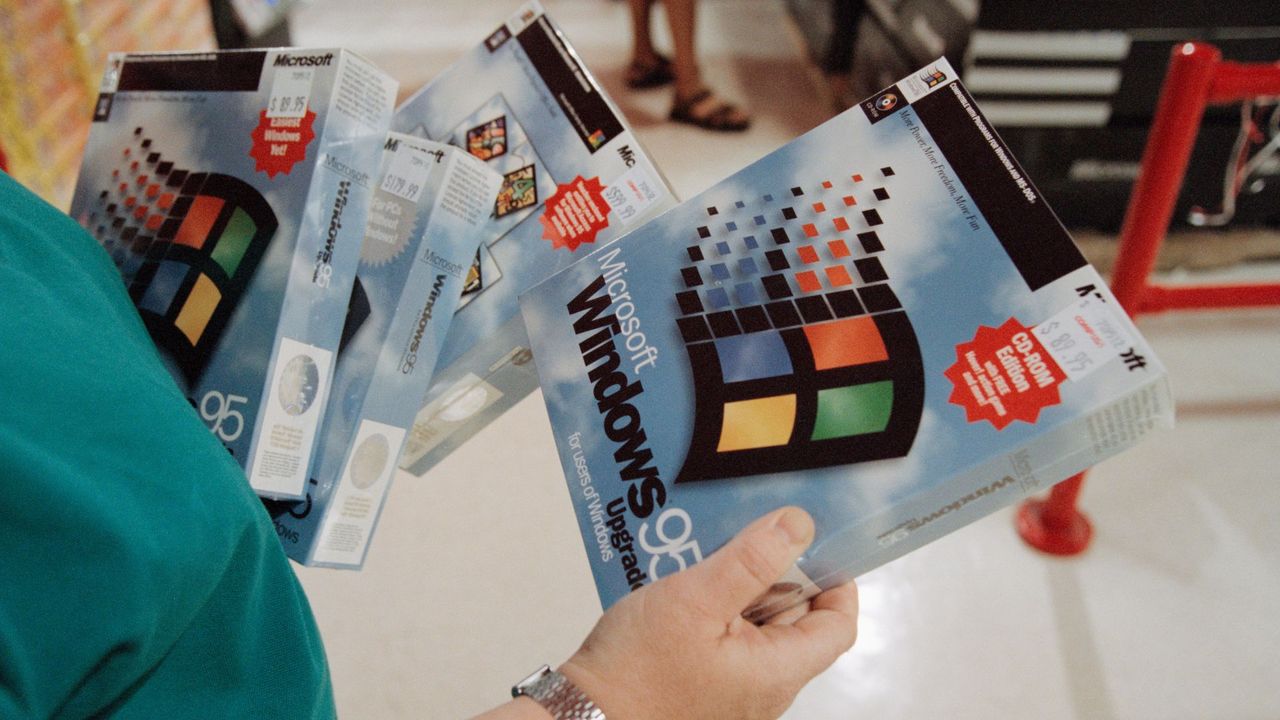
Microsoft had to change the anti-piracy hologram on the Windows 95 box because an undisclosed government assumed the baby on it was naked
Summary
In a recent blog post, Microsoft engineer Raymond Chen revealed a fascinating piece of software history: the anti-piracy hologram on the original Windows 95 boxes had to be changed because an undisclosed government complained that the baby depicted in the hologram appeared naked. The hologram featured a baby pointing at a Microsoft logo on a monitor, but the baby's upper body was unclothed, which the government interpreted as inappropriate. Microsoft complied and redesigned the hologram, resulting in two distinct variants on Windows 95 packaging. The anti-piracy holograms were designed to help consumers verify the authenticity of the product, but this particular design decision created an unexpected controversy. The story is notable because it highlights the cultural and regulatory challenges that technology companies face when distributing products globally. Even a small graphic element like a baby on a hologram can trigger objections from authorities, requiring rapid changes to minimize disruptions. This anecdote also offers a rare glimpse into the decision-making processes at Microsoft during the mid-1990s, when the company was rapidly expanding its global footprint. For the gaming and tech industries, it serves as a practical reminder that attention to detail and cultural sensitivity are crucial in product design. The story has since sparked nostalgia and curiosity among…