Aftermath
I Came To Hell Clock For The Vibes, Then Learned A History Lesson
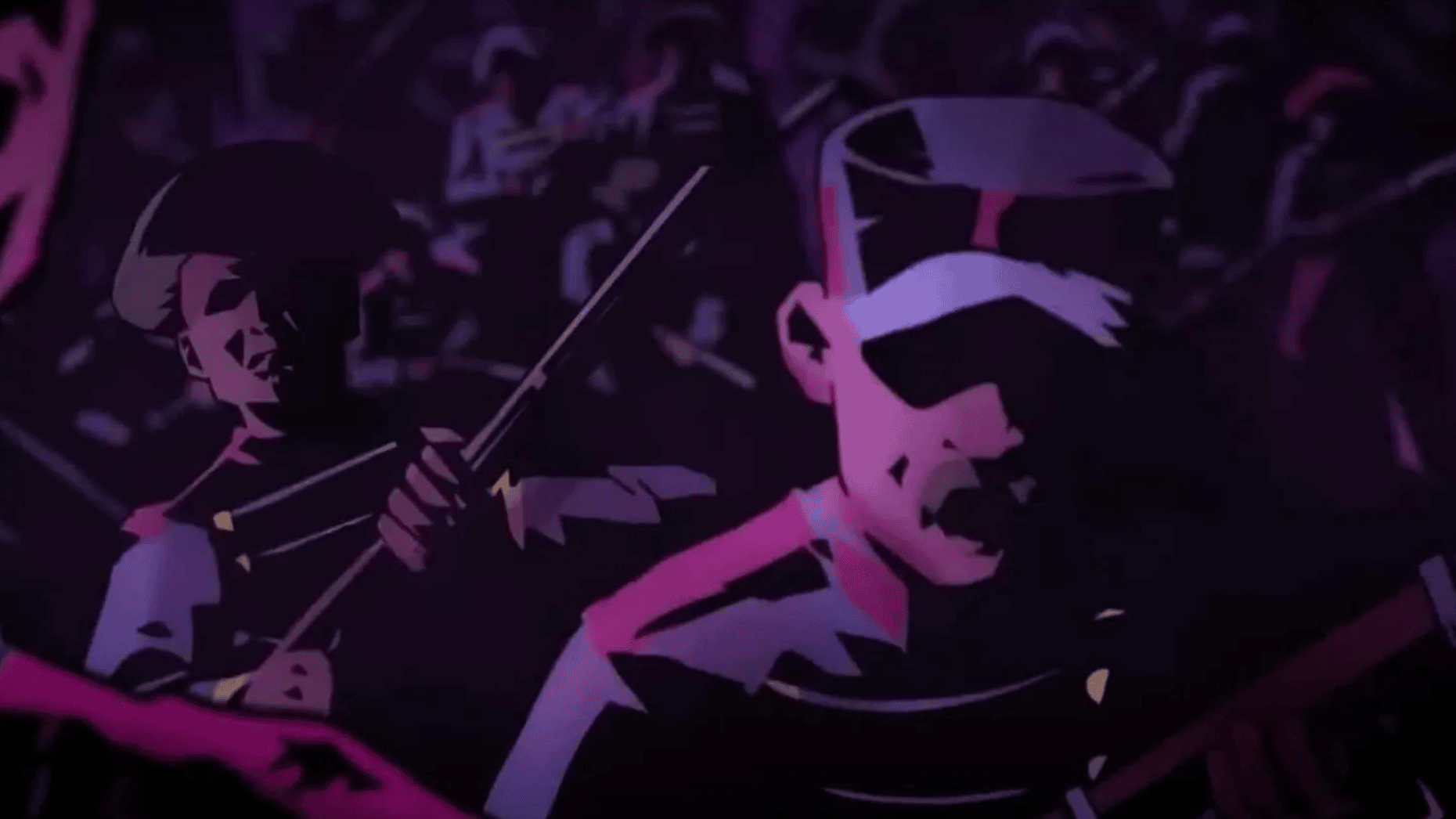
Summary
A player dove into Hell Clock initially for its atmospheric vibe, but found themselves unexpectedly drawn in by the struggle of the character Pajeú. Having known nothing about the Canudos Massacre in Brazil, they were prompted by the game's narrative to start researching the real historical event, eventually falling down a deep rabbit hole of history. This experience highlights how a video game can serve as an unexpected gateway to learning, not through lecturing, but through immersive storytelling that sparks curiosity. The Canudos War was a tragic and complex conflict in late 19th-century Brazil, and Hell Clock uses Pajeú's perspective to bring that history back into the modern player's awareness. For players, this is a powerful example of how games can offer more than just entertainment—they can open windows into historical knowledge. For the game industry, it reinforces the idea that games can handle serious subject matter while balancing educational value with atmospheric design. When a player voluntarily seeks out historical documents because of a game, it shows that the medium has a unique potential for cultural transmission. This article also reminds us that historical elements in video games deserve serious attention, as they may inadvertently spark significant curiosity. For developers, respecting historical context and weaving it into emotional narratives can give a…